
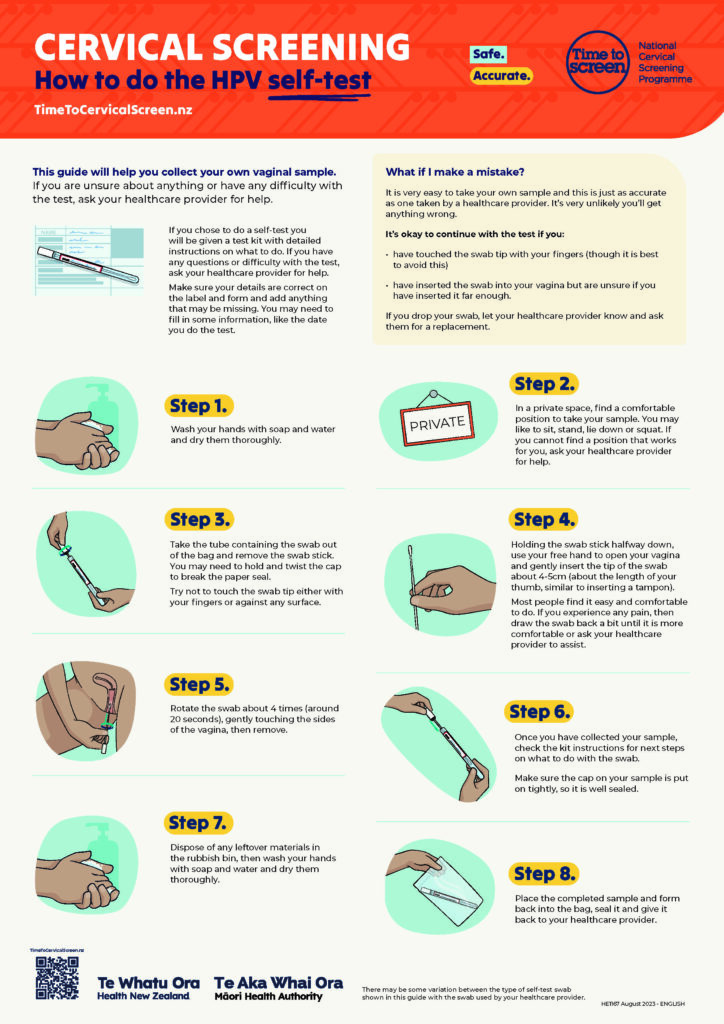
Navigating Cervical Health: Your Guide to HPV Self-Screening in New Zealand
 By: Lucy Hall
November 10, 2023
By: Lucy Hall
November 10, 2023

Recent Posts
 Say Hello to Dr Manisha – Our Newest GP at Highbrook Medical!July 10, 2025
- Meet our Designated Nurse Prescriber Nerice: Leading Our Totz to Teenz Clinic at Highbrook MedicalJune 12, 2025
- Meet Dr. Jacky Lu – Highbrook Medical’s New GPMarch 13, 2025
- Protecting Our Tamariki: The Importance of Childhood ImmunisationsNovember 27, 2024
- Summer Wellness Guide: Prioritising your Health & WellbeingNovember 14, 2023




More blog posts

Say Hello to Dr Manisha – Our Newest GP at Highbrook Medical!
By: Lucy Hall
July 10, 2025
There’s a fresh face at Highbrook Medical, and we’re absolutely delighted to introduce her to you – meet Dr Manisha ...

Meet our Designated Nurse Prescriber Nerice: Leading Our Totz to Teenz Clinic at Highbrook Medical
By: Lucy Hall
June 12, 2025
At Highbrook Medical, we’re proud to have a team of clinicians who not only bring experience but also a deep ...
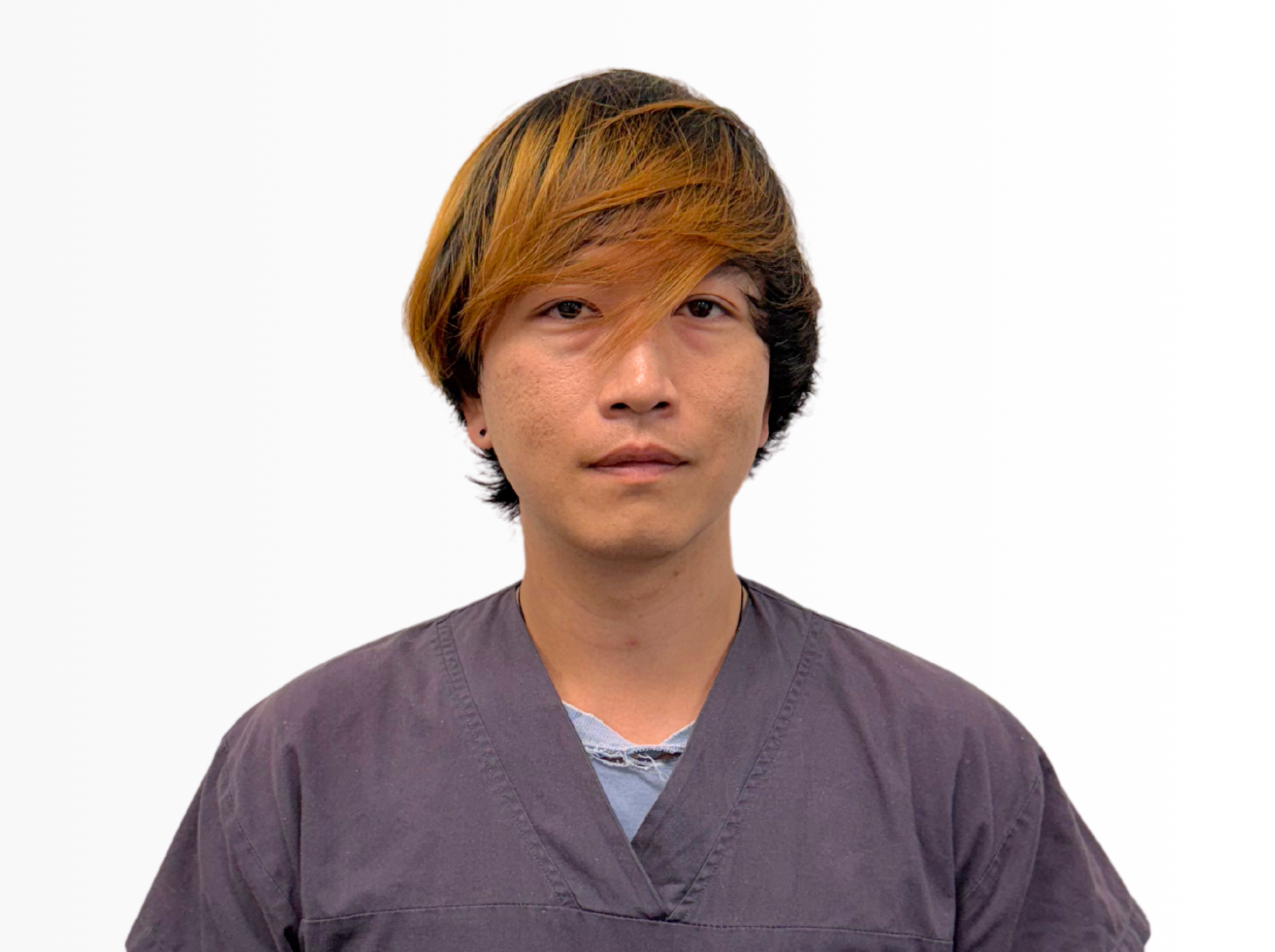
Meet Dr. Jacky Lu – Highbrook Medical’s New GP
By: Lucy Hall
March 13, 2025
We are thrilled to welcome Dr. Jacky Lu to the Highbrook Medical team! Dr. Lu’s journey in medicine began at ...