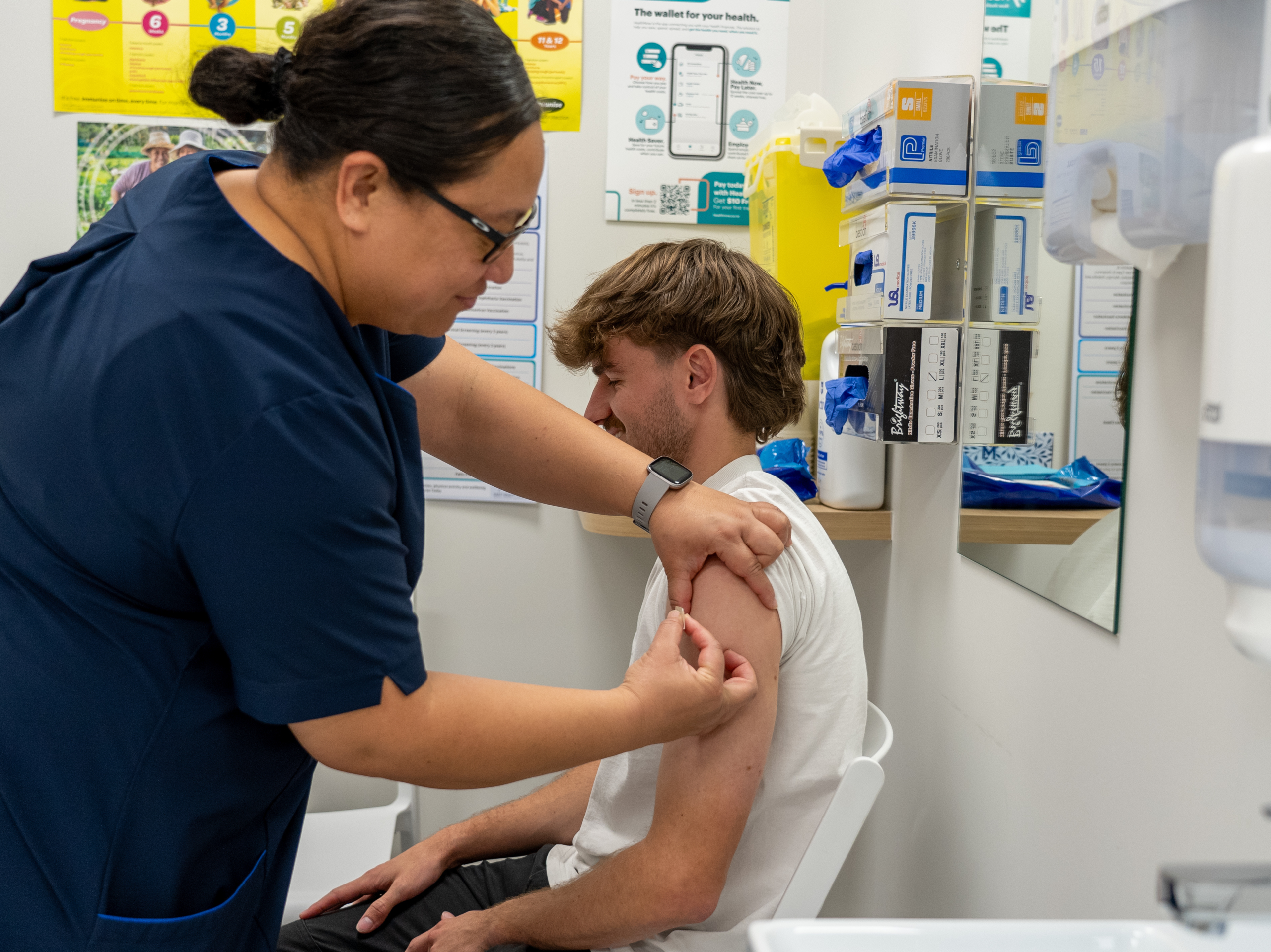
As the colder months approach, so does flu season. Here’s everything your whānau needs to know about the 2026 flu vaccine — and why getting it is one of the smartest things you can do this winter.
Winter in Aotearoa New Zealand brings more than just cold temperatures — it brings a sharp rise in influenza cases. Every year, the flu causes thousands of hospitalisations and puts real strain on whānau across the country. The good news? Vaccination remains our single most effective defence, and the 2026 flu vaccine is now available.
Whether you missed last year’s vaccine or are unsure if you’re eligible, this guide covers everything you need to know about protecting yourself and the people you love this winter.
What Is the Flu — and Why Does It Matter?
Influenza (the flu) is a highly contagious respiratory virus that spreads easily through droplets in the air when an infected person coughs, sneezes, or talks. Unlike a common cold, the flu can hit fast and hard — leaving people bedridden for days and, in serious cases, leading to pneumonia, hospitalisation, or worse.
The flu is not just a bad cold. For tamariki, kaumātua, pregnant women, and those with underlying conditions, it can be genuinely dangerous — and largely preventable.
Common Flu Symptoms
Knowing the signs can help you act quickly:
- Fever
- Chills
- Shortness of breath
- Upset stomach
- Muscle aches
- Extreme fatigue
Why You Need a New vaccine Every Year
The influenza virus is constantly evolving. Each year, health experts around the world analyse which strains are most likely to circulate, and a new vaccine is formulated accordingly. This is why last year’s flu vaccine won’t cut it — the 2026 vaccine is specifically designed to target the strains predicted to be dominant this winter.
Think of it like updating your phone’s software: the virus finds new ways in, and the vaccine is updated to keep up. Getting vaccinated annually is the best way to stay protected.
Here’s why vaccination matters:
- Reduces severity — even if you catch the flu after vaccination, the illness is typically much milder and shorter in duration.
- Protects your whānau — when vaccinated, you’re less likely to pass the virus to vulnerable family members at higher risk.
- Reduces hospitalisations — vaccination significantly lowers the risk of flu-related complications that can lead to hospital stays.
- Community protection — higher vaccination rates mean fewer people spreading the virus, protecting those who can’t be vaccinated.
Who Is Eligible for a Free Flu Vaccine in 2026?
Many New Zealanders qualify for a funded (free) flu vaccine this year. If you fall into any of the following groups, you can get vaccinated at no cost:
- All people aged 65 years and over
- Māori and Pacific people aged 55 to 64 years
- People under 65 with certain underlying health conditions or diseases
- People who are pregnant (any trimester)
- Children aged 6 months to 12 years
Not sure if you qualify? Give us a call at Highbrook Medical and our team will help you find out. Even if you’re not eligible for a funded vaccine, a private flu vaccine is a small investment for a healthier winter.

 By: Lucy Hall
April 21, 2026
By: Lucy Hall
April 21, 2026

 Say Hello to Dr Manisha – Our Newest GP at Highbrook Medical!July 10, 2025